A build-up of fat at the upper back and base of the neck, often called a buffalo hump, can affect both appearance and confidence. This localised fat deposit, medically known as a dorsocervical fat pad, may develop gradually and can sometimes persist despite weight loss or lifestyle changes.Many people who experience this concern begin researching …

A build-up of fat at the upper back and base of the neck, often called a buffalo hump, can affect both appearance and confidence. This localised fat deposit, medically known as a dorsocervical fat pad, may develop gradually and can sometimes persist despite weight loss or lifestyle changes.
Many people who experience this concern begin researching buffalo hump removal in the UK to understand why the fat pad develops and whether treatment options are available.
In this guide, we explore the causes of buffalo hump fat accumulation, when medical assessment may be recommended and how body contouring procedures such as liposuction may be used to treat stubborn fat deposits in this area.
What Is a Buffalo Hump?
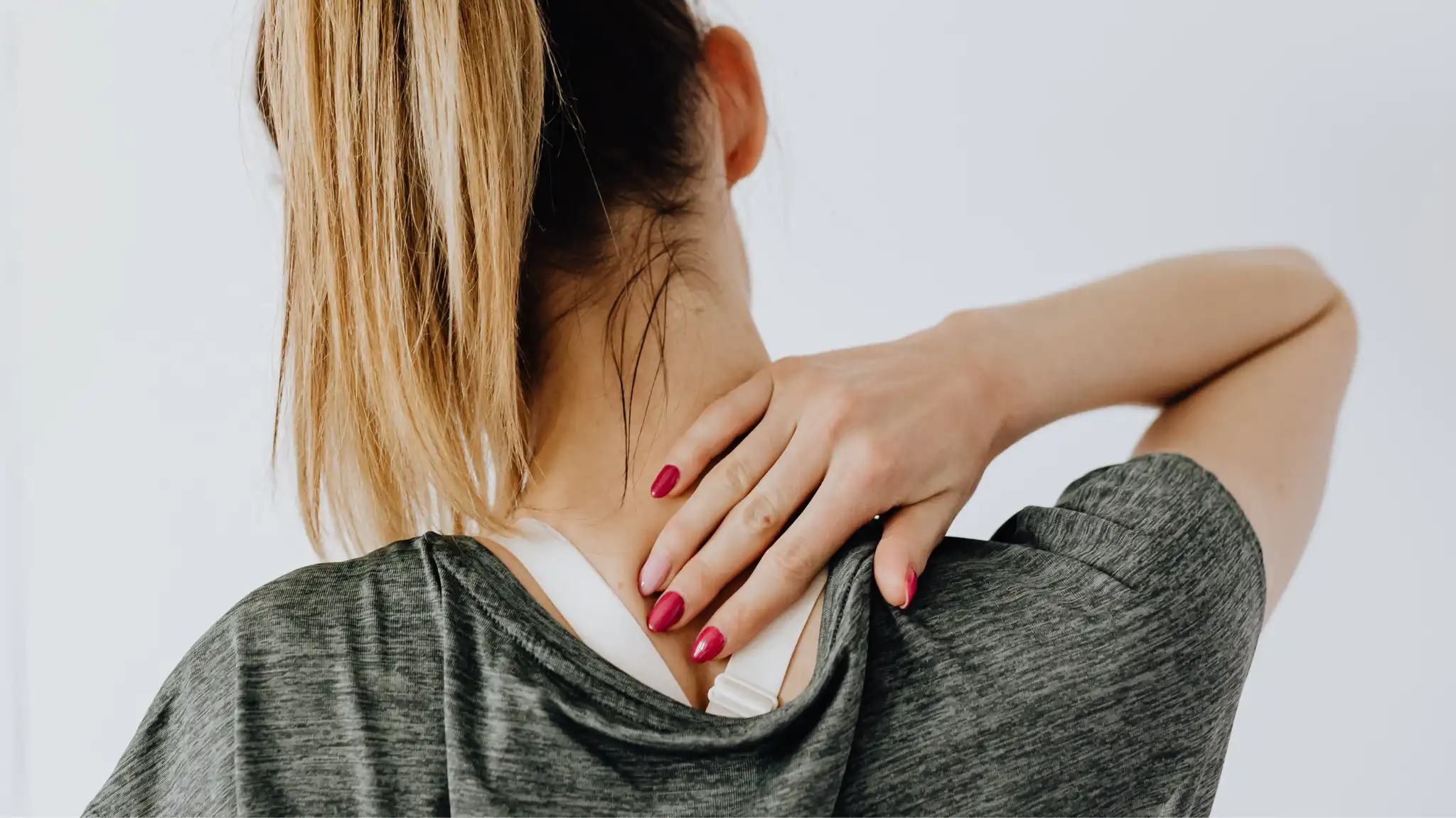
A buffalo hump refers to a visible fat deposit located at the upper back, typically between the shoulders and the base of the neck. This area may appear as a rounded or raised pad of fat and can vary in size depending on the individual.
Medically, the condition is often described as a dorsocervical fat pad. While some cases may be related to underlying medical conditions, others are simply due to localised fat accumulation.
The presence of a fat pad on the upper back does not always indicate a health problem, but individuals who notice sudden or unusual changes in this area should seek appropriate medical advice before considering cosmetic treatment.
Common Causes of a Fat Pad on the Upper Back
Understanding why a fat pad on the upper back develops can help determine the most appropriate approach to treatment.
Several factors can contribute to the development of a buffalo hump.
Fat Distribution and Body Composition
In some individuals, the body stores fat more readily in specific areas due to genetic fat distribution patterns. Just as some people store fat around the abdomen or thighs, others may develop fat deposits in the upper back region.
When this occurs, the fat pad may remain even after general weight loss.
Weight Gain
Weight gain can increase fat storage throughout the body, including the upper back and neck area. In some cases, this can lead to a noticeable dorsocervical fat pad.
However, even after weight loss, certain fat deposits may persist due to the body’s natural fat distribution patterns.
Hormonal Factors
Hormones influence how and where the body stores fat. Changes in hormone levels may contribute to fat accumulation in different areas of the body, including the neck and upper back.
For this reason, individuals who experience rapid or unusual fat accumulation in this area should consult a medical professional to rule out underlying causes.
Posture and Structural Changes
Poor posture can sometimes exaggerate the appearance of a buffalo hump. Forward head posture or rounded shoulders may make the fat pad appear more prominent, even if the fat deposit itself is relatively small.
While posture correction may improve the overall appearance of the upper back, it does not remove localised fat deposits.
When to Seek Medical Advice
Although many cases of buffalo hump relate to fat distribution, it is important to seek medical advice if the fat pad develops suddenly or is accompanied by other symptoms.
A healthcare professional can evaluate whether the fat accumulation is related to an underlying medical condition.
Once medical causes have been ruled out, individuals who remain concerned about the appearance of the fat pad may explore aesthetic treatment options.
Buffalo Hump Removal Options in the UK
For individuals seeking buffalo hump removal in the UK, treatment options depend on the cause and severity of the fat deposit.
Lifestyle changes such as diet and exercise may help reduce overall body fat, but they do not always eliminate localised fat deposits in specific areas.
When stubborn fat remains, body contouring procedures may be considered.
Liposuction for Buffalo Hump Fat
One of the most common treatment options for localised fat deposits is buffalo hump liposuction.
Liposuction is a surgical procedure designed to remove fat from targeted areas of the body. During treatment, fat cells are carefully removed to reduce the size of the fat pad and improve the contour of the upper back and neck.
At specialist clinics such as Lipoforme, liposuction procedures are typically performed under local anaesthetic, meaning the treatment area is numbed while the patient remains comfortable during surgery.
This approach allows patients to return home the same day following treatment.
Upper Back Fat Removal
Upper back fat removal procedures aim to reshape the area between the shoulders and neck by reducing the fat pad responsible for the buffalo hump appearance.
The goal of treatment is to improve the natural contour of the upper back while maintaining a balanced and proportionate appearance.
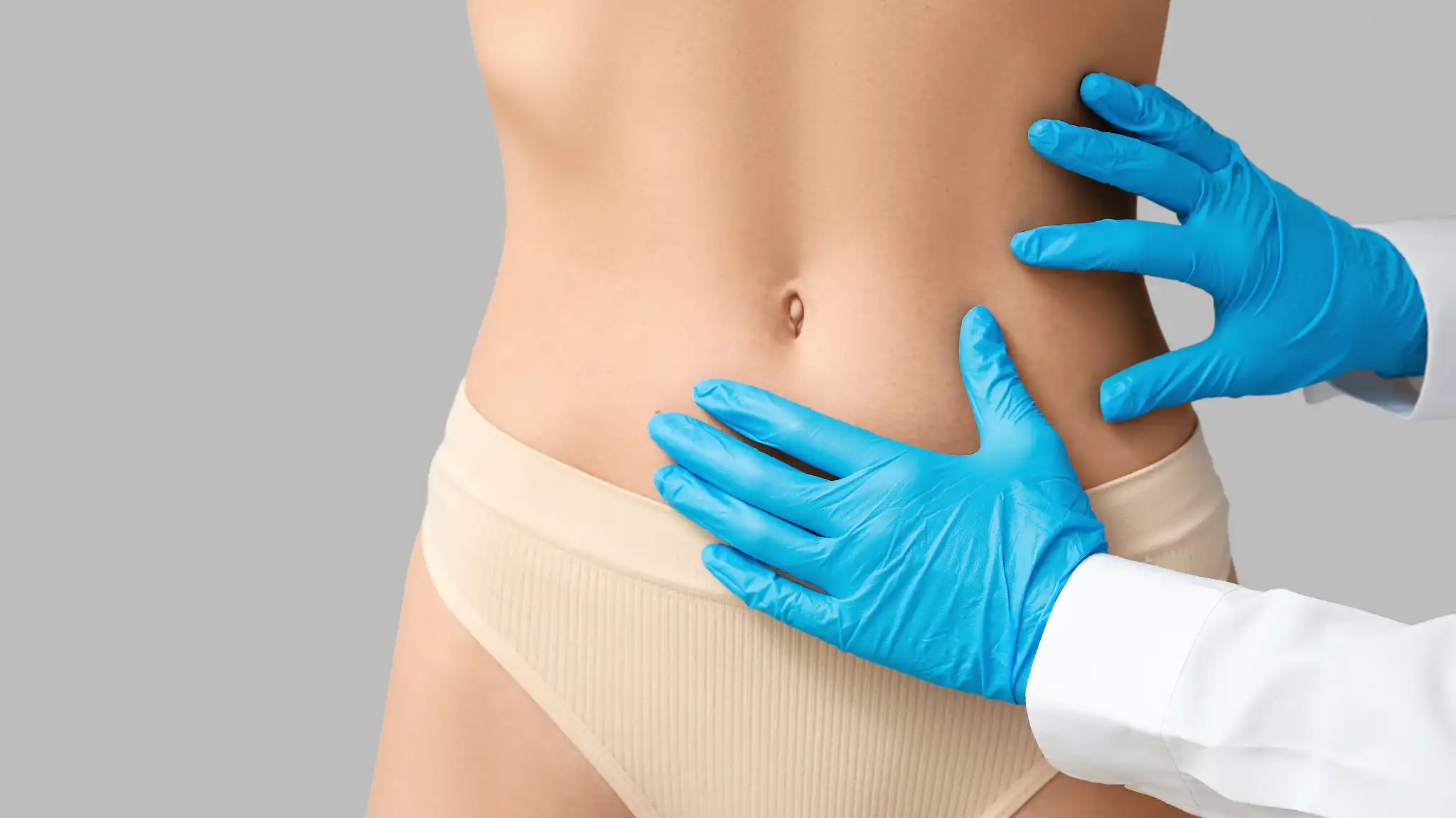
During consultation, the surgeon will assess the size of the fat pad, skin elasticity and overall anatomy before recommending the most suitable approach.
What Happens During Buffalo Hump Liposuction?
Before surgery, patients attend a consultation where the surgeon evaluates the treatment area and discusses expected outcomes.
During the procedure, small incisions are made in discreet locations near the treatment area. A specialised instrument is used to remove excess fat from the dorsocervical fat pad.
Because the procedure focuses on removing localised fat deposits, it is considered a body contouring treatment rather than a weight loss procedure.
The treatment is typically performed as a day-case procedure, allowing patients to return home shortly after surgery.
Recovery After Neck Hump Surgery
Recovery following neck hump surgery in the UK varies depending on the extent of treatment and individual healing.
Some swelling, bruising and tenderness may occur in the treated area during the initial recovery period. These symptoms usually improve gradually over time.
Patients are typically advised to wear a compression garment to support healing and reduce swelling after surgery.
Most individuals can return to light daily activities within a few days, although strenuous exercise may need to be avoided for several weeks while the body heals.
Detailed aftercare instructions are provided to support recovery and ensure the best possible outcome.
Results of Buffalo Hump Liposuction
Patients considering dorsocervical fat pad treatment often ask what results they can expect.
The goal of buffalo hump liposuction is to reduce the visible fat deposit and restore a smoother contour to the upper back and neck area.
Results develop gradually as swelling subsides and the treated area settles into its new shape.
Because liposuction removes fat cells from the treatment area, the reduction in fat volume is generally long-lasting when patients maintain a stable weight.
However, natural body changes and weight fluctuations can still influence overall body contour over time.
Maintaining Results After Treatment
Maintaining a healthy lifestyle plays an important role in preserving the results of upper back fat removal.
Patients are encouraged to:
- Maintain a stable weight
- Follow post-operative care instructions
- Attend follow-up appointments
- Maintain regular physical activity
These habits help support long-term outcomes after body contouring procedures.
Choosing a Clinic for Buffalo Hump Removal
When researching neck hump surgery in the UK, it is important to choose a reputable clinic with experienced medical professionals.
Patients should consider several factors before proceeding with treatment:
- Consultation with a qualified surgeon
- Clear explanation of treatment options
- Transparent discussion of risks and expected outcomes
- Structured aftercare and follow-up support
A thorough consultation ensures that patients receive personalised advice and can make informed decisions about treatment.
Frequently Asked Questions
What is a buffalo hump?
A buffalo hump is a fat deposit located at the base of the neck and upper back, medically referred to as a dorsocervical fat pad.
What causes a fat pad on the upper back?
A fat pad on the upper back can develop due to fat distribution patterns, weight gain, hormonal factors or other underlying medical conditions.
Can diet and exercise remove a buffalo hump?
Lifestyle changes can help reduce overall body fat, but localised fat deposits such as a dorsocervical fat pad may remain even after weight loss.
What is buffalo hump liposuction?
Buffalo hump liposuction is a body contouring procedure designed to remove excess fat from the upper back and neck area to improve body contour.
Is buffalo hump removal performed under general anaesthetic?
At clinics such as Lipoforme, liposuction procedures are commonly performed under local anaesthetic, allowing patients to return home the same day.
How long does recovery take after upper back fat removal?
Many patients return to light daily activities within a few days, although full recovery and final results may take several weeks as swelling gradually resolves.
Are buffalo hump removal results permanent?
Because liposuction removes fat cells from the treatment area, results are generally long-lasting when patients maintain a stable weight.
A buffalo hump can be a frustrating concern, particularly when it persists despite healthy lifestyle habits. Understanding the causes of dorsocervical fat accumulation and the available treatment options can help individuals make informed decisions about their care.
For those considering buffalo hump removal in the UK, consultation with an experienced medical professional allows a personalised assessment and discussion of suitable treatment approaches.
*Disclaimer: The information provided is for informational purposes only and is not a substitute for professional medical advice. Always consult a qualified healthcare professional.