In the UK, more people are choosing precision liposuction, not just large-scale body contouring, but targeted fat removal in small, stubborn areas of the body. These procedures are ideal for refining pockets of fat that don’t respond to exercise or diet, such as bingo wings (upper arms), under the chin, lower legs, the mons pubis, …


In the UK, more people are choosing precision liposuction, not just large-scale body contouring, but targeted fat removal in small, stubborn areas of the body. These procedures are ideal for refining pockets of fat that don’t respond to exercise or diet, such as bingo wings (upper arms), under the chin, lower legs, the mons pubis, and the upper back (buffalo hump). At LipoForme, we perform all these treatments under local anaesthetic only, ensuring safety, comfort, and a faster recovery.
In this guide, we explore how small-area liposuction works, what to expect for each body region, and the latest trends in demand, backed by recent data from the UK aesthetic market.
Why Small-Area Liposuction Is Trending
Precision liposuction is on the rise for several reasons:
- Highly targeted results: Rather than reshaping large zones, this treatment refines isolated fat deposits — giving a neater, more natural appearance.
- Low invasiveness: Smaller areas mean smaller incisions, less tissue trauma, and generally quicker recovery.
- Local anaesthesia: By staying awake during the procedure, patients avoid the risks of general anaesthetic, with many able to return home the same day.
- Growing market demand: According to the BAAPS 2024 Audit, cosmetic surgical procedures increased by 5% in 2024, indicating a rising interest in cosmetic surgeries.
- Device market expansion: The UK liposuction device market is projected to grow rapidly, with a CAGR of 13.3% from 2024 to 2030, reflecting ongoing investment in minimally invasive technologies.
The Rise of “Micro-Contouring” in the UK
In recent years, the term micro-contouring has become increasingly popular across clinics in the UK. Unlike traditional liposuction, which focuses on broader areas such as the abdomen or thighs, micro-contouring refers specifically to treating high-precision, detail-oriented pockets of fat. These are areas where just 50–200ml of fat removal can make a noticeable improvement.
This shift towards precision treatment is driven by:
- Higher patient expectations — many patients now want subtle refinement rather than dramatic, obvious change.
- Advances in cannula technology — allowing surgeons to work around delicate structures such as the jawline and lower legs with more accuracy.
- Work-from-home lifestyles — more people have become aware of neck and chin fullness from video calls, creating higher demand for facial contouring procedures.
- Awareness of non-invasive options — people who previously considered fat freezing or injectables are now looking for a more predictable solution under local anaesthetic.
According to several UK aesthetic trend reports published in 2024, demand for small-area body contouring has grown steadily, with many clinics reporting increased requests for chin, arm, and upper-back fat removal among individuals aged 25–45.
How Surgeons Tailor Small-Area Liposuction
Small-area liposuction is not a “one-size-fits-all” treatment. Because each area has different fat density, skin thickness, and anatomical structures, surgeons customise the approach by adjusting:
- Cannula size (micro for face, fine for arms and legs)
- Depth of fat removal to avoid over-reduction
- Incision placement to keep scarring minimal and well-hidden
- Fat volume removal to ensure natural proportions
For example, chin liposuction focuses on the superficial fat layer under the jawline to sharpen definition, while lower-leg liposuction requires a deeper approach, carefully working around the gastrocnemius muscle to avoid irregularities.
At LipoForme, surgeons also assess skin elasticity, as some areas — such as the mons pubis or upper arms, may require very strategic fat removal to prevent skin laxity.
Long-Term Maintenance After Small-Area Liposuction
While liposuction removes fat cells permanently, maintaining results still requires a healthy lifestyle. Most surgeons recommend:
- Staying hydrated to support lymphatic drainage
- Maintaining a stable weight, avoiding major fluctuations
- Light walking in the early recovery phase to reduce swelling
- Wearing compression garments as instructed for arms, legs, or chin
- Strength training once cleared, especially for areas like arms and legs to enhance muscle shape
Patients who follow aftercare guidance tend to enjoy longer-lasting, more natural results.
Psychological Impact & Confidence Boost
Small-area liposuction often has a meaningful impact on confidence, especially for people who have struggled with stubborn pockets of fat for years. Many report:
- Feeling more comfortable in fitted clothing
- Improved posture after buffalo hump correction
- Increased confidence in photos
- Greater motivation to maintain a healthy lifestyle
For areas like the mons pubis, improvements can also lead to better comfort in everyday activities and more confidence in intimate situations.
How Small-Area Liposuction Compares to Non-Surgical Treatments
There are several non-surgical fat-reduction options available in the UK, such as fat freezing, ultrasound fat reduction, or injectable fat-dissolving solutions. However, each has limitations when compared with liposuction.
Liposuction (Local Anaesthetic Only)
- Immediate fat removal
- Highly precise sculpting
- Predictable results
- Suitable for many small or challenging areas
- Permanent removal of fat cells
Non-Surgical Treatments
- Require multiple sessions
- Reduce fat gradually
- May not effectively target dense or fibrous fat
- More suitable for very small fat pockets
- Less predictable for contouring purposes
For patients looking for clear, visible results with minimal downtime, small-area liposuction remains the gold standard.
Combining Areas in a Single Session
One advantage of small-area liposuction is that multiple regions can often be treated during the same appointment under local anaesthetic. Popular combinations include:
- Chin + jawline definition
- Arms + bra fat + upper back (buffalo hump)
- Lower stomach + mons pubis
- Calves + ankles (for lower-leg contouring)
Treating areas together can improve overall body balance and deliver a more harmonious result.
Key Areas for Targeted Fat Removal
Here’s a closer look at the most common small-area liposuction treatments offered by LipoForme:
Bingo Wings (Upper Arms)
What it addresses:
“Bingo wings” refers to excess fat on the underside of the upper arms, which can create a saggy appearance or a lack of definition.
How it works:
- Local anaesthetic is injected into the upper-arm area.
- A fine cannula is used to gently remove fat while sculpting the arm to preserve natural muscle lines.
- Incisions are minimal, and scarring is generally small and well-hidden.
Benefits:
- Firmer, smoother arm contour
- Reduced jiggle without compromising strength
- Enhanced proportions when wearing sleeveless or fitted clothing
Chin / Submental Fat Removal
What it addresses:
This is the fat beneath the chin (the “double chin”), which can soften the jawline and affect facial definition.
How it works:
- Local anaesthetic numbs the chin and neck region.
- Microcannulas (very small cannulas) are used to carefully remove fat from the submental area.
- Surgeons sculpt with precision to maintain a natural contour, avoiding over-reduction.
Benefits:
- Improved jawline definition
- Reduced fullness below the chin
- Subtle, natural-looking enhancement without the need for general anaesthetic
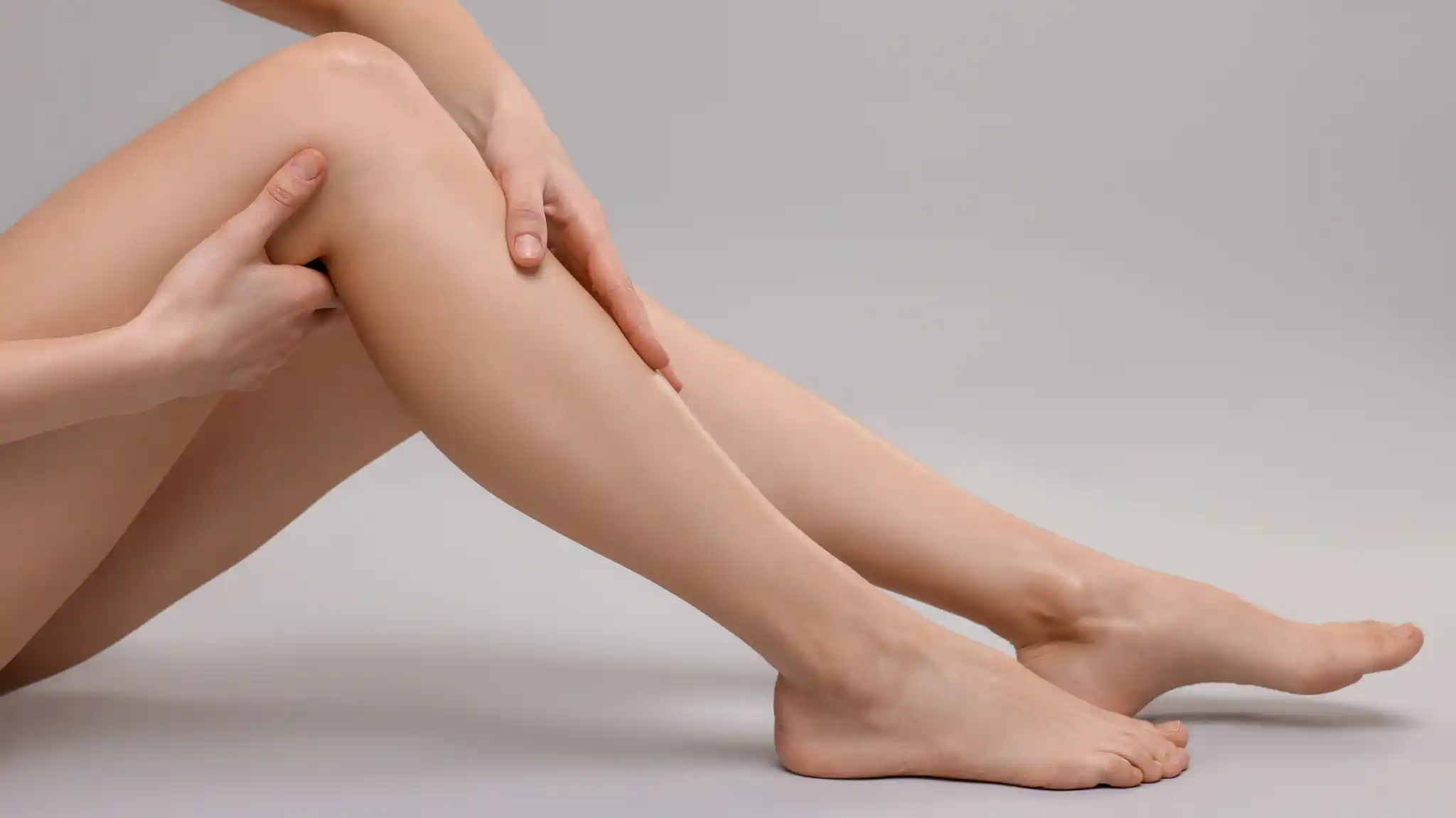
Lower Leg Liposuction (Calves / Lower Legs)
What it addresses:
Some individuals carry excess fat in their calves or lower legs, which may make their legs appear disproportionate or bulky.
How it works:
- Local anaesthetic is used to numb the treatment area.
- The surgeon places a small cannula to suction fat from the lower leg carefully, avoiding damage to muscles or surrounding structures.
- Compression garments are often used after treatment to reduce swelling.
Benefits:
- More streamlined leg shape
- Improved calf-to-ankle proportion
- Enhanced comfort and confidence in fitted clothing or footwear
Buffalo Hump Removal (Upper Back / Neck)
What it addresses:
A “buffalo hump” is a deposit of fat on the upper back or base of the neck. It can be both an aesthetic and a physical concern for many.
How it works:
- Local anaesthetic is applied to the upper back / neck region.
- A cannula is used to remove fat carefully, while protecting delicate surrounding tissues.
- The surgeon sculpts gently to restore a natural profile.
Benefits:
- Smoother upper back contour
- Reduced bulk under clothing
- Potential improvement in posture and comfort
Mons Liposuction (Mons Pubis)
What it addresses:
The mons pubis is the fatty area above the pubic bone. Excess fat here can cause discomfort, self-consciousness, or affect the overall appearance of the lower abdomen.
How it works:
- Local anaesthetic is used for the pubic area.
- A small cannula is inserted to sculpt and remove excess fat, ensuring a balanced and natural result.
- Incisions are kept discreet and healing is closely monitored.
Benefits:
- Flatter, more proportionate pubic area
- Improved comfort in clothing
- Enhanced self-esteem and refined lower abdominal appearance
Safety, Recovery & Expectations
Anaesthesia & Safety
All small-area liposuction at LipoForme is performed under local anaesthetic only. This approach reduces the risks associated with general anaesthetic and promotes a safer, more comfortable patient experience.
Recovery
- Patients typically return home the same day.
- Compression garments are used as needed, depending on the treatment area (e.g., arms, legs).
- Swelling and bruising are common but generally subside within days or weeks.
- Light activities can be resumed quickly; however, strenuous exercise should be avoided until advised by your surgeon.
Results
- Initial contour differences are often visible after a few days, as swelling begins to settle.
- Final results usually become clear over several weeks.
- Results can be long-lasting, especially when weight is maintained and a healthy lifestyle is followed. Since liposuction permanently removes fat cells from the treated area, they do not typically return — but remaining fat cells can grow if there is subsequent weight gain.
Who Is a Good Candidate?
You may be a suitable candidate for small-area liposuction if:
- You have localised fat deposits in any of the areas listed (arms, chin, lower legs, mons, upper back).
- You are close to your ideal weight — liposuction is not a substitute for weight loss.
- You are in good general health, with no contraindications to local anaesthetic.
- You have realistic expectations: liposuction refines contour, rather than dramatically transforming body mass.
During your consultation, a GMC-registered surgeon will assess your suitability, discuss treatment options, and explain what you can realistically expect based on your anatomy and goals.
Frequently Asked Questions
1. Is small-area liposuction safe under local anaesthetic?
Yes. Local anaesthetic reduces risk compared to general anaesthetic, and when performed by a skilled surgeon, small-area liposuction is well tolerated.
2. How long does recovery take?
Recovery depends on the treated area, but most patients resume light daily activities within a few days. Swelling and bruising typically settle over one to two weeks.
3. Will the fat come back?
Fat cells removed by liposuction do not regenerate in that area. However, if you gain weight, existing fat cells in other areas may expand. Maintaining a stable weight helps preserve results.
4. Can liposuction fix sagging skin?
Liposuction primarily removes fat, but does not tighten skin significantly. If you have loose or lax skin, your surgeon may discuss complementary treatments or whether liposuction is appropriate.
5. How do I know which areas to treat?
During a consultation, your surgeon will assess your body shape, ask about your goals, and recommend which areas are ideal for liposuction. They will also advise whether it’s safe and suitable based on your medical history.