A well-defined jawline is often associated with balance, structure, and facial harmony. For many people, however, stubborn fat beneath the chin can soften the lower face, creating the appearance of a double chin even in those who are otherwise slim and healthy. This is where chin fat removal has become an increasingly popular option for …

A well-defined jawline is often associated with balance, structure, and facial harmony. For many people, however, stubborn fat beneath the chin can soften the lower face, creating the appearance of a double chin even in those who are otherwise slim and healthy. This is where chin fat removal has become an increasingly popular option for individuals seeking subtle but meaningful jawline contouring. Chin fat can be resistant to diet and exercise, largely due to genetics, ageing and natural fat distribution. Modern chin contouring treatments now offer targeted solutions that focus on improving jawline definition without altering the natural shape of the face. This guide explains what chin fat removal involves, how different treatments compare, and what to realistically expect before, during and after treatment.
Why Chin Fat Develops
Chin fat, often referred to as submental fat, can develop for several reasons. Genetics play a significant role, meaning some people are predisposed to storing fat beneath the chin regardless of weight. Ageing also contributes, as skin elasticity reduces and fat pads shift over time.
Weight changes can exaggerate the appearance of a double chin, but it is important to understand that chin fat does not always respond to general weight loss. This is why many people seek a targeted double chin treatment rather than relying on lifestyle changes alone.
Understanding Chin Fat Removal Options
Chin fat removal is not a single treatment but a category that includes different approaches depending on anatomy, goals and suitability. At Lipoforme, treatments are assessed on an individual basis to ensure safety and appropriate outcomes.
Chin Liposuction and Jawline Fat Reduction
Chin liposuction is a surgical method of jawline fat reduction that removes fat directly from beneath the chin using fine cannulas. It is designed to permanently reduce fat volume and improve jawline contouring in a controlled and precise way.
At Lipoforme, chin liposuction is performed under local anaesthetic. This means the area is fully numbed while the patient remains awake, allowing for a safer, controlled procedure without the risks associated with general anaesthetic.
The procedure involves small, discreet incisions beneath the chin or near natural skin creases. Fat is gently removed to enhance jawline definition while maintaining natural proportions. The aim is refinement rather than exaggeration.
Jawline Contouring and Enhancement Explained
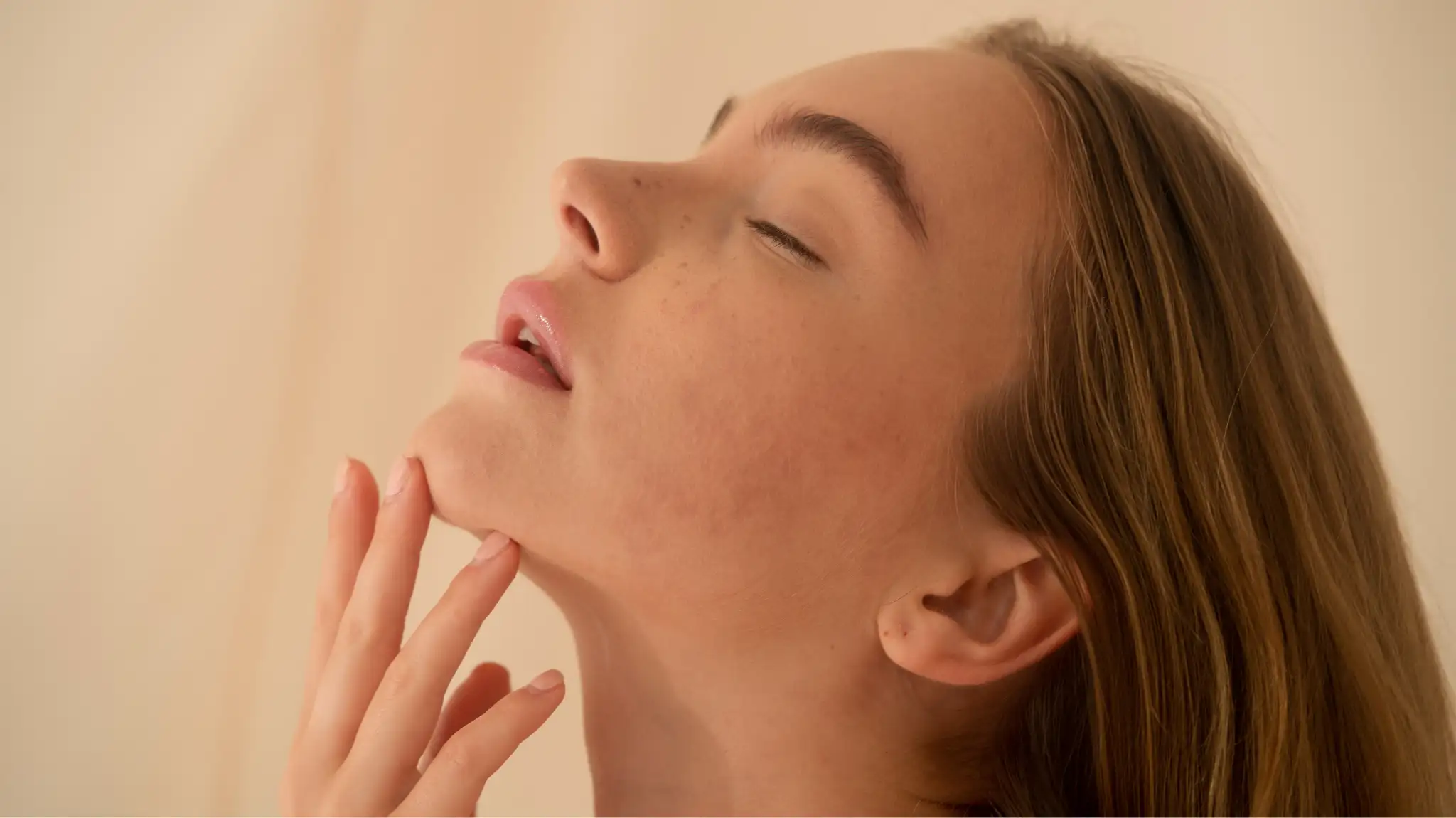
Jawline contouring focuses on improving definition rather than changing facial identity. By reducing excess fat beneath the chin, the jawline appears sharper, the neck looks more refined and facial balance is improved.
Jawline enhancement through fat reduction is often combined with an assessment of skin quality and muscle tone. In some cases, patients may be advised that skin laxity rather than fat is the primary concern, and alternative treatments may be discussed.
A responsible chin contouring treatment in the UK prioritises harmony and proportion rather than dramatic alteration.
What to Expect During Chin Fat Removal
For surgical chin fat removal, the procedure typically lasts under an hour. Local anaesthetic is applied to ensure comfort throughout. Patients remain awake but should not feel pain during treatment.
Once the fat is removed, the area is gently dressed and a compression garment may be applied to support healing and contouring. Patients are usually able to return home the same day.
Recovery and Aftercare
Recovery after chin fat removal depends on the treatment method used. Following chin liposuction, swelling and bruising beneath the chin are expected and typically settle gradually over one to two weeks.
Patients are usually advised to wear a compression garment for a specified period to support healing and help the skin adapt to its new contour. Most people return to desk-based work within a few days, although this varies between individuals.
Strenuous exercise and heavy lifting are generally avoided for a short period, based on clinical advice. Full results develop gradually as swelling resolves and tissues settle.
Results and Longevity
Chin fat removal can produce long-lasting improvements in jawline definition. Once fat cells are removed or destroyed, they do not return. However, weight gain can affect remaining fat cells, so maintaining a stable lifestyle supports long-term results.
The final outcome is usually visible once swelling has fully resolved. The goal is a natural, refreshed profile rather than an artificially sharp appearance.
Before and after results vary between individuals, and a consultation helps establish realistic expectations based on anatomy and treatment choice.
Safety and Suitability
Not everyone is suitable for chin fat removal. A professional assessment is essential to determine whether excess fat is the primary concern or whether skin laxity or muscle structure plays a greater role.
Suitability also depends on general health, skin quality and personal expectations. Ethical clinics will advise against treatment if it is unlikely to provide meaningful benefit.
Choosing a regulated clinic with experienced practitioners ensures treatment is carried out safely and responsibly.
Frequently Asked Questions
Is chin fat removal permanent?
Yes. Fat cells removed through chin liposuction do not return. Maintaining a stable weight supports lasting results.
Does chin fat removal tighten the skin?
Fat removal improves contour, but skin tightening depends on individual elasticity. This is assessed during consultation.
Is the procedure painful?
Local anaesthetic ensures comfort during chin liposuction. Some tenderness and swelling are normal during recovery.
How soon can I return to work?
Many patients return to non-physical work within a few days, depending on swelling and comfort.
*Disclaimer: The information provided is for informational purposes only and is not a substitute for professional medical advice. Always consult a qualified healthcare professional.