
Many people find that despite maintaining a balanced diet and regular exercise routine, certain areas of body fat remain difficult to reduce. These persistent pockets are often referred to as “stubborn fat”. Common areas include the abdomen, flanks, thighs and under the chin.Understanding why these areas are resistant to lifestyle changes requires a closer look …

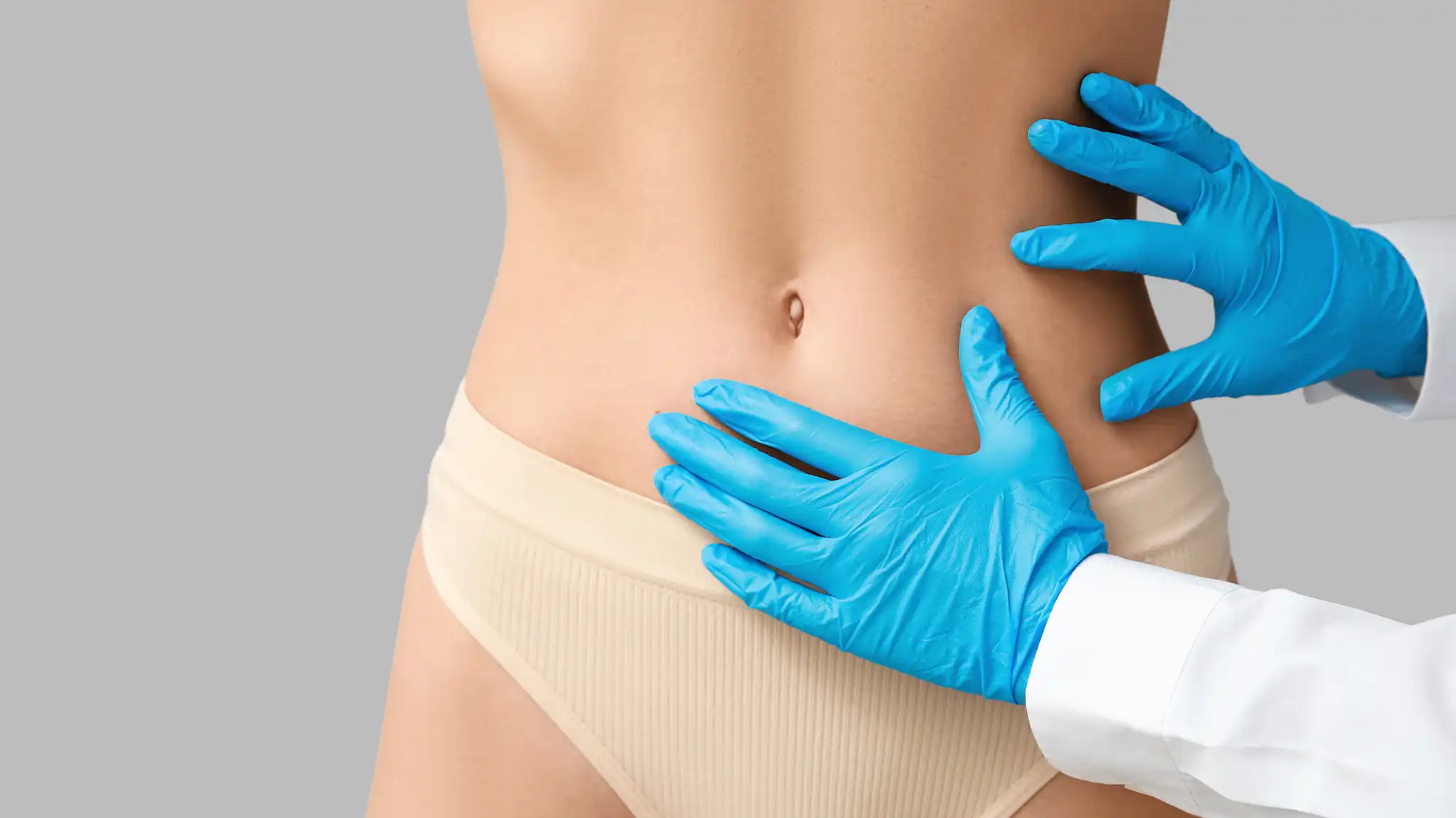
Many people find that despite maintaining a balanced diet and regular exercise routine, certain areas of body fat remain difficult to reduce. These persistent pockets are often referred to as “stubborn fat”. Common areas include the abdomen, flanks, thighs and under the chin.
Understanding why these areas are resistant to lifestyle changes requires a closer look at the science of fat distribution. Genetics, hormones and the way the body stores energy all influence where fat accumulates and how easily it can be reduced. For individuals who struggle with these resistant areas, body contouring procedures may offer an option to reshape specific regions of the body once weight is stable.
This guide explores the science behind stubborn fat, why it tends to appear in particular areas and what treatment options may be available for those seeking targeted fat reduction.
What Is Stubborn Fat?
Stubborn fat refers to localised fat deposits that tend to remain even when a person maintains a healthy weight or loses fat in other parts of the body. These areas are typically more resistant to the body’s natural fat-burning processes.
From a biological perspective, fat tissue is not evenly distributed throughout the body. Some fat cells respond more easily to lifestyle changes, while others are influenced by genetic and hormonal factors that make them slower to shrink.
Common stubborn fat areas include:
These areas often store fat differently compared with other regions of the body.
The Science of Fat Distribution
The concept of fat distribution science explains why some individuals store more fat in specific areas than others. Fat tissue serves important biological functions, including energy storage, insulation and hormone regulation.
However, the location of fat deposits is influenced by several factors.
Genetics and Fat Storage
Genetics plays a significant role in determining where the body stores fat. Some people naturally store more fat around the abdomen, while others carry weight around the hips and thighs.
This pattern is largely inherited. Families often share similar body shapes because genetic factors influence how fat cells develop and where they accumulate.
For example:
- Some individuals have a tendency to develop abdominal fat deposits
- Others store fat predominantly in the hips or thighs
Because these patterns are genetically influenced, they can remain even after weight loss, leaving certain areas more resistant to change.
Hormonal Fat Distribution
Hormones also play a major role in hormonal fat distribution. Hormones regulate how fat is stored, mobilised and used for energy.
Different hormones influence fat storage in different parts of the body. For example:
- Hormonal changes can contribute to abdominal fat accumulation
- Certain hormones encourage fat storage in the hips and thighs
Changes in hormone levels during ageing may also alter fat distribution, which is why many people notice shifts in where their body stores fat over time.
Fat Cell Receptors and Metabolism
Fat cells contain receptors that control how they release stored fat. Some areas of the body have receptors that allow fat to be broken down more easily, while other areas have receptors that slow the process.
This means fat in certain regions may respond more slowly to calorie deficits or exercise.
As a result, individuals may notice that:
- Fat reduces quickly in some areas
- Other areas remain largely unchanged
This difference in metabolic behaviour is one reason why belly fat and flank fat can be difficult to reduce.
Why Is Belly Fat Hard to Lose?
A common question many people ask is why is belly fat hard to lose.
The abdominal area tends to store both subcutaneous fat, which lies beneath the skin, and deeper fat around internal organs. Subcutaneous fat in this region can be particularly resistant to lifestyle changes because of the way fat cells in the abdomen respond to hormonal signals.
In addition, abdominal fat cells may contain receptors that slow the release of stored fat. This means the body may preferentially burn fat from other areas first, leaving abdominal deposits behind.
For individuals who have already reached a healthy weight but still have persistent abdominal fat, this can be frustrating.
Lifestyle Factors and Fat Storage
Although genetics and hormones influence fat distribution, lifestyle still plays an important role in overall body composition.
Several factors can contribute to fat accumulation:
Diet
Consuming more calories than the body uses can lead to fat storage. Excess energy is stored in fat cells, which expand in size over time.
Balanced nutrition supports overall weight management, but it may not always change the location of stubborn fat deposits.
Physical Activity
Regular exercise helps burn calories and improve metabolic health. Cardiovascular exercise and resistance training can reduce body fat percentage and strengthen muscles.
However, targeted exercise alone does not necessarily remove fat from a specific area. The body reduces fat gradually from multiple regions rather than from one localised area.
Ageing
Age-related changes in metabolism and hormones can influence fat distribution. Many people notice increased abdominal fat with age even if their weight remains relatively stable.
This shift is a normal physiological change.
Resistant Fat and Body Contouring Options
When persistent fat deposits remain after weight stabilisation, some individuals consider body contouring options.
Body contouring procedures are designed to reshape areas of the body by removing localised fat deposits. These treatments are typically intended for individuals who are close to their ideal weight but want to address specific resistant areas.
At specialist clinics such as Lipoforme, body contouring procedures are used to treat areas where fat remains resistant to diet and exercise.
Liposuction for Localised Fat
Liposuction is a surgical procedure used to remove localised fat deposits from targeted areas of the body.
The treatment may be suitable for areas such as:
At Lipoforme, liposuction procedures are performed using techniques designed to remove fat while maintaining natural body contours.
The procedure is usually carried out under local anaesthetic, allowing patients to return home the same day following treatment.
Body Contouring Goals
Body contouring procedures are not intended as a weight-loss solution. Instead, they are designed to refine body shape once overall weight is stable.
The goal is to improve the balance and proportion of the body by reducing stubborn fat deposits that have not responded to lifestyle changes.
A consultation allows surgeons to assess whether a patient may be suitable for treatment.
Recovery and Aftercare
Recovery following body contouring procedures varies depending on the area treated and the extent of fat removal.
Patients are typically advised to wear a compression garment following surgery. Compression helps reduce swelling and supports the treated area during healing.
Many individuals are able to return to work within a few days, although strenuous activity may need to be avoided for several weeks.
Full recovery may take several weeks while swelling gradually settles.
Patients are provided with detailed aftercare instructions to support safe healing.
Managing Expectations
It is important for patients to have realistic expectations when considering body contouring procedures.
These treatments can help reshape areas affected by resistant fat UK, but results vary between individuals.
Maintaining a healthy lifestyle remains essential for long-term results. A stable weight, balanced nutrition and regular physical activity all help support the outcome of body contouring treatments.
Consultation with a qualified surgeon allows patients to understand the potential benefits and limitations of treatment.
When to Consider a Consultation
Individuals who may consider speaking with a specialist include those who:
- Maintain a healthy weight but have persistent fat deposits
- Feel frustrated by specific areas that do not respond to diet or exercise
- Are looking to refine body contours rather than lose weight
A consultation provides an opportunity to discuss treatment options and determine whether body contouring may be appropriate.
Frequently Asked Questions
What causes stubborn fat areas?
Stubborn fat areas are influenced by genetics, hormones and the way fat cells respond to the body’s metabolic signals. These factors can make certain regions more resistant to fat loss.
Why is belly fat hard to lose?
The abdominal area contains fat cells that may respond more slowly to fat-burning signals. Hormonal influences and receptor differences in fat cells can also contribute to abdominal fat persistence.
Can exercise remove stubborn fat?
Exercise helps reduce overall body fat and supports health, but it does not specifically target fat loss in a single area. Fat loss typically occurs gradually across the body.
What is resistant fat?
Resistant fat refers to localised fat deposits that remain despite maintaining a healthy lifestyle, including balanced nutrition and regular exercise.
What body contouring options are available?
Body contouring treatments such as liposuction may be used to remove localised fat deposits and reshape specific areas of the body. These procedures are typically intended for individuals who are close to their ideal weight.
Is liposuction a weight-loss treatment?
No. Liposuction is designed to reshape and contour specific areas of the body rather than act as a weight-loss procedure.
*Disclaimer: The information provided is for informational purposes only and is not a substitute for professional medical advice. Always consult a qualified healthcare professional.


